
Remote patient monitoring (RPM) is rapidly becoming an efficient way for clinics to deliver healthcare services. It allows for real-time monitoring of a patient’s health remotely, providing the patient and provider with data that can be used to make informed decisions. This article will discuss the many advantages of remote patient monitoring, examining how it ensures improved health outcomes, higher efficiency, and cost savings for patients and medical professionals.
As we move through the evolving digital age, telehealth and remote patient monitoring are no longer just optional add-ons but essential pillars of the modern healthcare system. A discussion on the benefits of RPM would only be complete by mentioning the role of wearable devices and connected device ecosystems. Finally, we will explore the role of a reliable healthcare software development firm at your side when developing patient portals and remote monitoring solutions.
Are you ready to optimize your patient care? Contact SPsoft to learn how our expert developers can build a tailored RPM solution that will enhance clinical efficiency and improve patient lives!
Table of Contents
The Increasing Role of Remote Patient Monitoring Devices
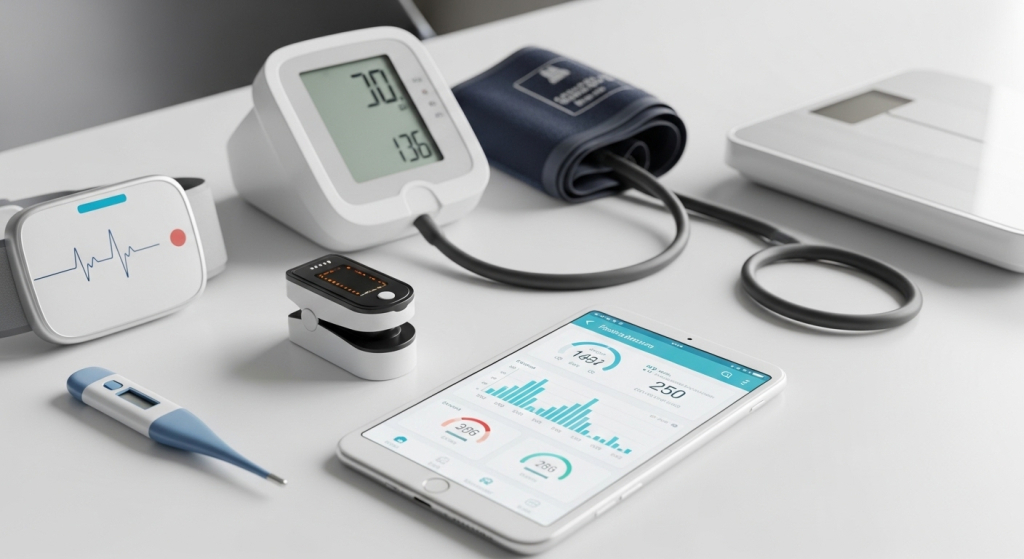
Remote patient monitoring devices are increasingly popular, with a global market expected to reach $4.07 billion by 2030. These include sensors, wearables, and different accessories that track patient data and send it to healthcare providers. Wearable and portable gadgets are growing in types and numbers as connected healthcare systems become more widespread.

The common remote patient monitoring devices include:
- Pulse oximeter (essential for respiratory monitoring)
- Weight scales (for heart failure management)
- Blood glucose meters (for diabetes care)
- Blood pressure monitor and blood pressure cuff
- Heart rate and cardiac monitoring tools
- Fetal monitors
They are growing in popularity, pushing telehealth capabilities further. Using a connected device allows for more timely and accurate diagnoses, reduces hospital admissions, and yields better patient outcomes. Also, such gadgets can reduce the cost of healthcare and improve the patient experience by providing more convenient and accessible remote patient monitoring services.d accessible healthcare services. With that in mind, let us take a closer look at the benefits of RPM for patients and clinics.
1. Streamlined Disease Management
Remote patient monitoring helps enhance the management of chronic conditions like diabetes, high blood pressure, heart failure, and chronic obstructive pulmonary disease by providing real-time health data. An effective RPM program allows for the continuous monitoring of a patient’s blood pressure or blood glucose levels, identifying warning signs of deterioration.
By tracking disease progression through biometric monitoring, physicians adjust medications dynamically. This proactive approach prevents the “yo-yo” effect in chronic care, where patients only seek help during a crisis. For example, continuous glucose monitoring allows diabetic patients to see how their diet affects their levels instantly, fostering better patient self-care. Implementing RPM ensures that the care provider remains an active participant in the patient’s daily health journey, leading to more stable health outcomes for the entire patient population.
2. Higher Quality of Care
RPM allows healthcare providers to perform monitoring of patients in real-time and intervene if needed, leading to improved quality of care and fewer hospitalizations. With real-time access to a large amount of patient data, health care providers can quickly detect changes in a patient’s health and take appropriate action. This personalized care ensures that treatments are tailored to the individual’s specific physiological responses.
Furthermore, monitoring patients’ vitals remotely can help with patient appointment scheduling by prioritizing “red flag” patients for immediate telehealth visits. This level of virtual care ensures clinical resources are allocated where they are most needed. The use of RPM facilitates better patient education, as clinicians can explain the significance of the data being collected. When a care provider has a comprehensive retrospective view of a patient’s vitals, the resulting patient care is more accurate and effective than relying on a single, periodic in-office reading.
3. Lower Costs & Efficient Billing
Cost optimization is one of the most valuable outcomes of using remote patient monitoring technologies for clinics. RPM and patient portals reduce the need for in-person visits, meaning medical staff can manage a larger volume of cases through remote care and remote support. This reduces overstaffing costs while billing for remote patient monitoring provides new revenue streams for healthcare organizations.

RPM billing is streamlined when integrated with an electronic health record, ensuring that monitoring services are accurately documented for reimbursement. Beyond the clinic, lower travel costs for patients and optimized administrative tasks, such as automated billing and prescription refills, contribute to massive savings. By avoiding unnecessary procedures and tests through ongoing monitoring, the healthcare system as a whole becomes more sustainable.
A robust remote monitoring solution ensures that the cost per patient decreases while the better patient outcomes justify the initial investment in RPM technologies.
4. Greater Convenience
RPM allows patients to monitor their health in their homes using electronic health devices and digital communication. Thus, they receive more timely and accurate health information and communication with their care provider. This monitoring technology enables patients to get care without physically traveling to a medical facility, which is beneficial for those with limited mobility.
The benefits of remote patient monitoring extend to allowing patients to monitor their health on their own schedule while still feeling the safety net of continuous monitoring. This convenience leads to higher patient adherence, as the friction of seeking care is removed. Clinics can cut the cost of care by reducing the need for in-person visits. In the long run, your remote monitoring solution makes healthcare fit into the patient’s lifestyle rather than forcing the patient to revolve their life around hospital schedules. That is a key driver of modern patient satisfaction.
5. Increased Patient Engagement
Patient engagement software helps users monitor and regularly report their health data to their health care provider. This allows physicians to collect real-time patient data on their status. This data is used to manage chronic conditions better, react to changes, and administer personalized care. When patients see their own vitals through a monitoring system, they become more invested in their own health outcomes.
The RPM program provides a platform for patient self-care, encouraging users to take their blood glucose or glucose monitoring readings consistently. Patient engagement is boosted when the RPM system provides instant feedback or educational tips based on the readings. This collaborative approach between the patient and provider transforms the patient from a passive recipient of care into an active manager of their own wellness. By identifying patterns in a patient’s health, the monitoring solution empowers patients to make healthier lifestyle choices.
6. Improved Communication
Improved communication is a cornerstone of a successful monitoring program. It allows doctors to monitor health and provide feedback remotely via chats/video calls with a connected device. Through patient-facing applications and remote patient monitoring technologies, doctors receive valuable data on patients’ vitals like blood pressure and oxygen levels from a pulse oximeter.
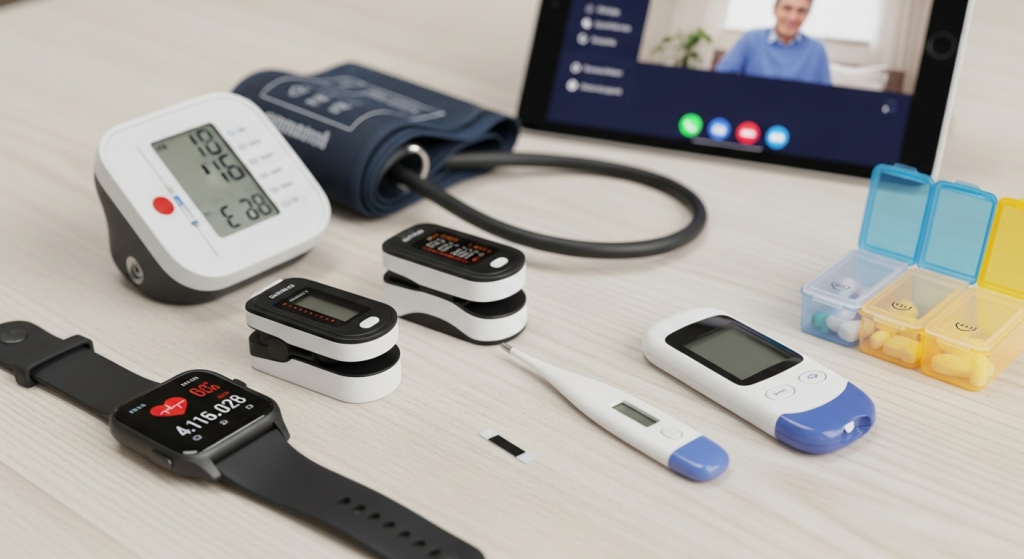
Additionally, patients can book appointments and view test results via patient portals. This allows for more efficient communication and helps to cut frequent, unnecessary doctor visits. Remote support through these digital channels ensures that the patient never feels “lost” in the system. Improved communication through RPM services and portals contributes to patient engagement. That is because the care provider can send encouraging messages or quick adjustments to a treatment plan without requiring the patient to leave their home.
7. Enhanced Treatment Outcomes
Patient portals provide secure and reliable access to health information, reducing the risk of medical errors and enhancing patient outcomes. Such improvements stem from remote patient monitoring solutions enabling healthcare providers to monitor patients on an ongoing basis. The systems send alerts for potentially dangerous issues, enabling a fast remote care intervention.
Increased patient engagement and a proactive position allow patients to respond to red flags independently. For example, if a pulse oximeter shows a drop in oxygen levels, the monitoring technology can immediately alert both the patient and provider. This ensures that interventions happen at the optimal time, rather than after a condition has reached a critical stage.
By leveraging a large amount of patient data for predictive analytics, the monitoring program can significantly boost the success of interventions and reduce the mortality rates associated with acute episodes of chronic conditions.
8. Simpler Access to Care
With the innovations made by remote patient monitoring companies, healthcare practitioners can extend their services to more patients regardless of time or distance. RPM improves access to care and health data, enhancing treatment success rates for the broader patient population. New RPM technologies help by reducing wait times and cutting unnecessary travel.
This is particularly vital for rural areas where a specialized care provider might be hundreds of miles away. RPM services bridge this geographical gap, allowing for biometric monitoring and virtual care that was previously impossible. By strengthening the link between patients and physicians through telehealth, the monitoring solution ensures that quality care is a right, not a geographical privilege. Better access also means that patient education resources are always available via the connected device, fostering a more informed and healthier society.
9. Reduced Paperwork & Automation
Integrating an electronic health record in tandem with remote monitoring cuts the need for manual record-keeping, reducing administrative costs. The data collected by remote patient monitoring devices is processed and automatically added to the patient’s history. For instance, an RPM device like a blood pressure cuff can log a reading directly into the EHR platform.
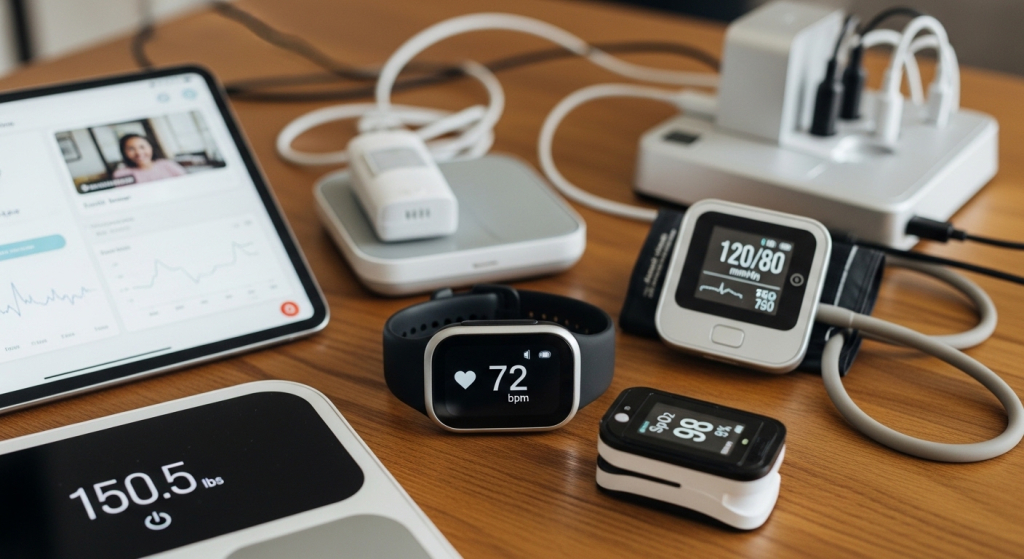
This automation saves hours of manual labor for nurses and physicians each day. Instead of transcribing vitals, they can spend that time on direct patient care and complex decision-making. Having the record logged in automatically reduces the chance of human error during data entry, which is a major benefit of RPM. Besides, RPM billing is easier to manage when the monitoring technology offers an automated audit trail of all monitoring services provided to the patient.
10. Satisfied Patients
Patient satisfaction increases when patients can take a proactive approach to their treatment. Utilizing remote patient monitoring solutions gives them valuable insight into their condition and a sense of control. These RPM technologies increase health awareness by helping people better manage their health through greater access to their health data.
The patient experience is improved when they no longer have to spend hours in a waiting room for a routine check of their blood pressure. Instead, they can provide this data through an RPM program from the comfort of their home. The benefits of remote patient monitoring include a closer, more digital relationship with their care provider, which builds trust. When patients see that their improved patient outcomes are a direct result of their participation in a monitoring program, their overall satisfaction with the healthcare system grows exponentially.
Wrap Up: How Trusted RPM Companies Help Your Organization
Partnering with a reliable healthcare software provider is essential to adopting remote patient monitoring. A trusted software development partner like SPsoft will build the necessary software and share technical expertise to facilitate the adoption of the relevant RPM practices. We can also provide support through training and advice to ensure the system performs to its maximum capacity. So, you can be confident that your platform is reliable and secure, is adequately used by the clinical staff, and is well supported on a technical level.
Ultimately, a software development vendor can create solutions tailored to your organization’s needs. Our experts can build custom applications and systems that ensure the RPM process runs as smoothly as possible. With our help, healthcare providers can be sure that their remote patient monitoring system is robust and effective.
Are you considering building a future-proof healthcare ecosystem? Message SPsoft to discover how we can develop a HIPAA-compliant patient portal and RPM system that elevates your standard of care!
FAQ
What is the simple definition of remote patient monitoring?
Remote Patient Monitoring (RPM) is the use of digital techs to collect, transmit, and analyze health data from patients outside traditional healthcare settings, such as their homes. RPM enables healthcare providers to monitor and manage patients’ health conditions in real-time or periodically, without the need for frequent in-person visits. That is valuable for managing chronic conditions, post-surgical care, and preventive health within the modern healthcare system.
What are the key features of an RPM system?
A comprehensive remote patient monitoring system includes four pillars:
– Data Collection (via an RPM device like a blood pressure monitor or pulse oximeter)
– Connectivity (secure transmission via Bluetooth or Wi-Fi)
– Analysis and Alerts (AI-driven algorithms to flag abnormalities)
– Patient Engagement (user-friendly interfaces that promote patient self-care and patient adherence to personalized care plans)
These features work together to provide a seamless patient and provider experience.
How does RPM billing work for healthcare organizations?
Billing for remote patient monitoring is structured around specific CPT codes that cover the initial setup, the supply of remote patient monitoring devices, and the time spent by healthcare providers reviewing the health data. A robust RPM program requires precise tracking of the time spent monitoring patients each month (a minimum of 20 minutes) to qualify for reimbursement. Integrating RPM billing with the electronic health record ensures that all monitoring services are logged and billed correctly, maximizing the clinic’s revenue.
Can RPM help patients with high blood pressure and diabetes?
Yes, remote patient monitoring is exceptionally effective for these conditions. For high blood pressure, a patient uses a blood pressure cuff at home, and the readings are sent to the care provider for ongoing monitoring. For diabetes, glucose monitoring through blood glucose meters or continuous glucose monitoring devices allows for real-time adjustments to insulin and diet. This level of biometric monitoring reduces the risk of stroke or diabetic ketoacidosis, significantly improving long-term health outcomes.
What is the role of the care provider in an RPM program?
The care provider acts as the clinical anchor of the monitoring program. They are responsible for setting the “normal” parameters for each patient, reviewing the health data transmitted by the RPM technologies, and reaching out to the patient when alerts are triggered. The care provider uses the insights from continuous monitoring to make more accurate patient care decisions. So, they can provide remote support and adjust treatment plans during telehealth visits based on the objective data collected.
Is remote patient monitoring the same as telehealth?
While often used together, they are distinct. Telehealth is a broad term for providing clinical services via technology (like video calls). Remote patient monitoring is a specific branch of telehealth that focuses on the continuous monitoring and transmission of biometric monitoring data (like vitals). A modern remote monitoring solution often uses telehealth visits as the communication channel to discuss the data collected by RPM technologies.
Why is patient adherence critical for a successful RPM program?
Patient adherence is vital because an RPM program is only as good as the data it receives. If a patient neglects to use their pulse oximeter or blood pressure monitor, the care provider lacks the information needed for ongoing monitoring. Strategies to improve adherence include patient education, user-friendly RPM technologies, and regular feedback through patient portals. When patients understand how the benefits of remote patient monitoring directly impact their patient experience, they are much more likely to remain consistent.